
Surgical Removal of Skin Lesion
Surgical removal of skin lesions is a precise method that allows for the complete removal of disturbing or unsightly skin lesions.

Surgical Removal of Skin Lesion
Book a visitWhat does the procedure involve?
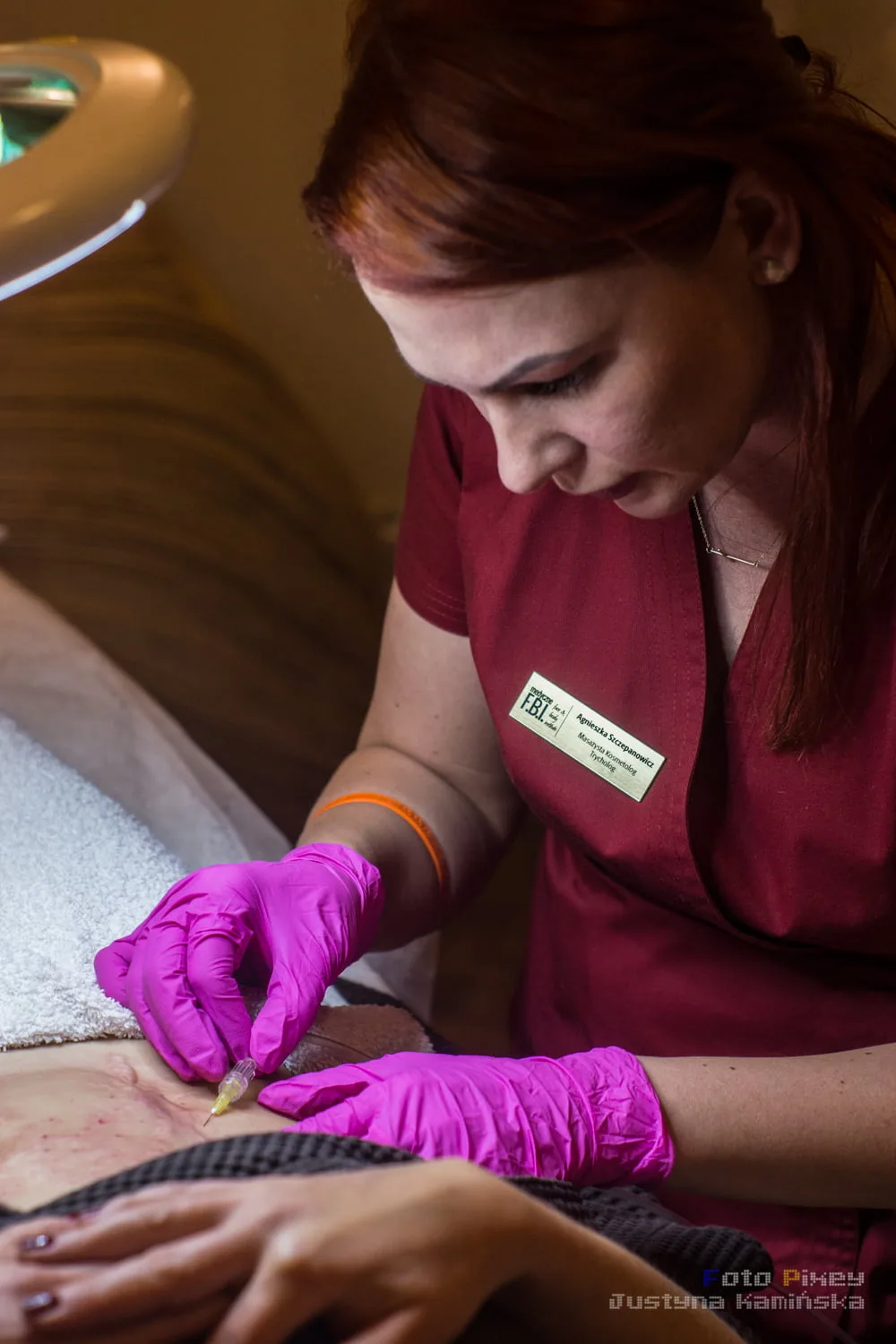
What does the procedure involve?
Surgical removal of a skin lesion is a precise method that allows for the complete removal of disturbing or unsightly skin lesions.
The procedure is performed on an outpatient basis, under local anesthesia, which ensures comfort and painlessness of the procedure.
How is the procedure performed?
- Dermatological or surgical consultation - a specialist assesses the skin lesion and qualifies it for the procedure.
- Local anesthesia - eliminates discomfort during the procedure.
- Surgical excision of the lesion - the entire lesion is precisely removed with a scalpel, along with a margin of healthy tissue. Sutures and a dressing are applied - the wound is carefully stitched and the healing process is supervised by a doctor.
- Optional histopathological analysis - if there is a suspicion of a cancerous lesion, the biopsy specimen may be sent to the laboratory.

Effects of the treatment
- Complete removal of skin lesion
- Minimizing the risk of recurrence
- Improving skin aesthetics
- Possibility of histopathological diagnosis
- Fast recovery time and small scar
Contraindications
- Active skin infections at the treatment site
- Blood coagulation disorders
- Some autoimmune diseases (e.g. pemphigus, psoriasis in the exacerbation phase)
- Tendency to develop hypertrophic and keloid scars
- Pregnancy and breastfeeding (in some cases the procedure may be postponed)
- Use of anticoagulant drugs
- Tendency to develop keloid scars
Who is this treatment for?
- Suspicious skin lesions requiring diagnosis
- Pigment moles, warts, fibromas and atheromas
- Skin lesions that are aesthetically disturbing or cause discomfort
- Scars and lesions that may be irritated
- Dermatological lesions recommended for removal by a doctor
Surgical removal of the lesion is a one-time procedure, however, in the case of new skin lesions, regular dermatological examinations are recommended.
In the case of oncologically suspicious lesions, further skin diagnosis and monitoring is recommended.
Make an appointment for a consultation and take care of the health of your skin!
Worth combining with
Treatments from the same category that pair well with this one.

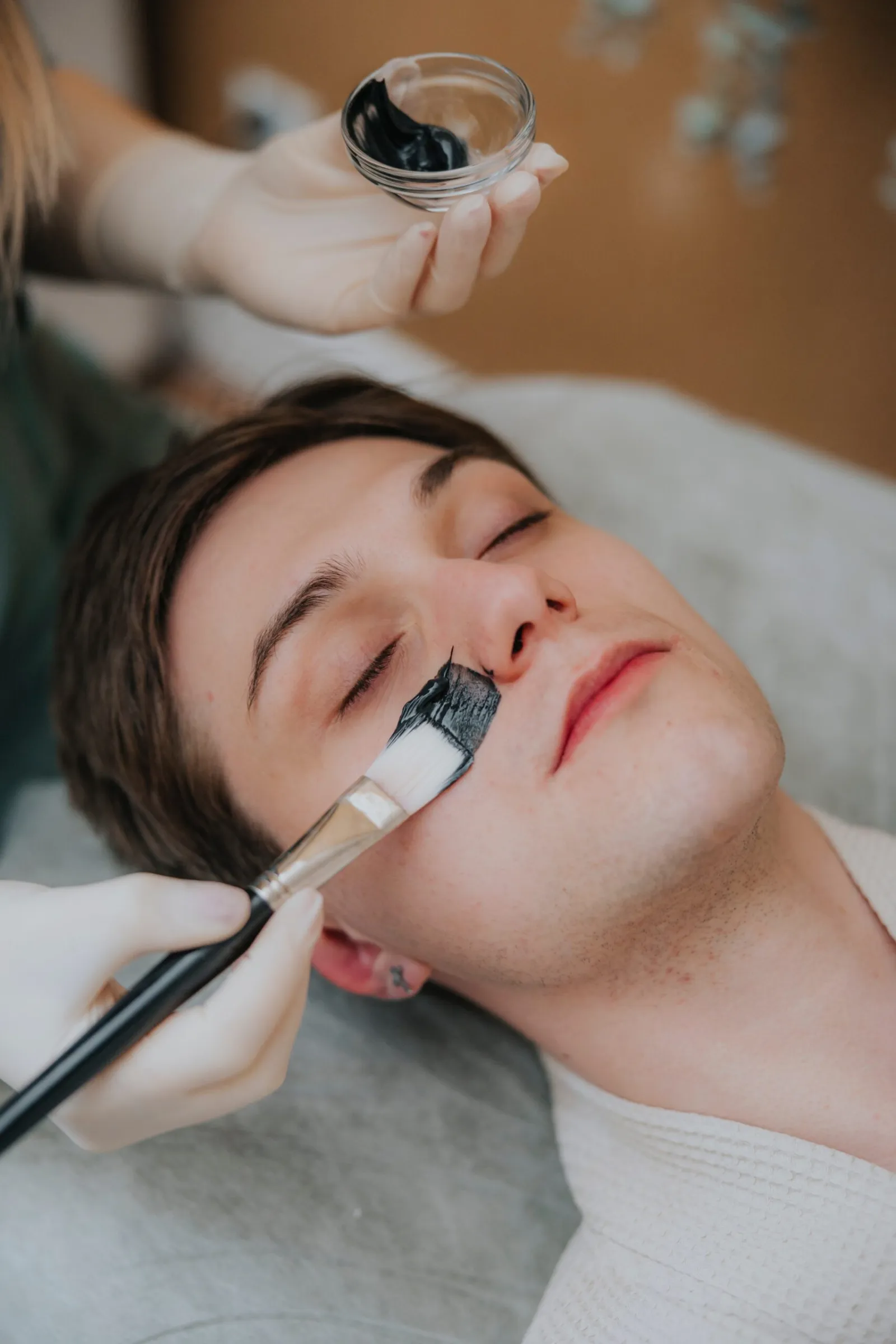
The best treatment starts with a good consultation.
If you are not sure whether this is the right treatment, book a short consultation. We will choose the plan, treatment order and home care without guesswork.