

GLINKS – care closer to nature
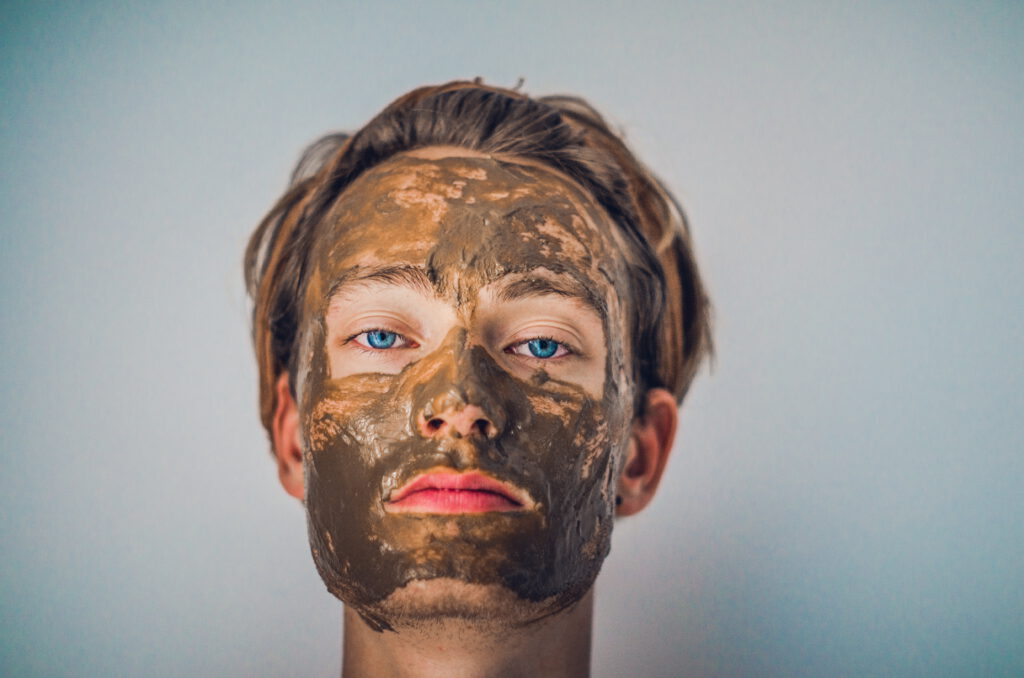
A return to nature and care for the environment is now no longer just a fashion, but also a lifestyle for many people. Of great interest are natural cosmetics and care products created on the basis of valuable ingredients of natural origin. So it is worth taking a look at natural raw materials that have been known for centuries, such as cosmetic clays.
The clays deeply cleanse the skin and provide it with valuable minerals and elements. They have the ability to absorb excess sebum and toxins. Clay has a negative charge and attracts positively charged particles, which are present in toxic substances. In addition, it participates in equalizing the pH of the skin, restoring its proper pH.
The clays have bactericidal, remineralizing and scarifying effects. The beneficial effects of clays were already known hundreds of years ago. Clays are counted among peloids – naturally occurring therapeutic raw materials in nature, which were formed as a result of a number of different biological and geological processes.
They are rich in valuable and indispensable macro- and microelements, which are present in a form that is particularly well absorbed by the human body. Silicon, phosphorus, potassium, iron, magnesium, zinc, selenium, copper, aluminum and many other components have an excellent effect on the human body – so clays supplement deficiencies of elements, increase immunity, improve the course of vital processes, improve blood circulation, have a positive effect on the functioning of internal organs. In addition, zinc and selenium promote the secretion of endorphins, the so-called hormones of happiness.
In addition, the clay has a delaying effect on the skin’s aging process, as it aids skin regeneration and noticeably smooths the complexion.

Cosmetic clays – the most popular types
White clay – the finest
White clay (kaolin) contains silicon, iron, potassium, magnesium, titanium, sodium calcium, large amounts of aluminum. It acts gently, soothes the skin and calms it – so it is good for dry, sensitive skin, prone to wrinkles. It gently tightens pores, promotes the healing of wounds and inflammation. Due to the significant content of aluminum, white clay shows excellent smoothing and scarifying properties. like any clay, it refreshes and nourishes the skin and improves skin microcirculation. It can be used for dilated capillaries. It is also an additive to therapeutic powders and salves, shadows and creams.
Green clay – for acne and blackheads
The most popular and potent of the clays. It owes its green color to the presence of divalent iron ions (Fe2+). It exhibits antiseptic properties and inhibits the proliferation of fermenting and putrefactive bacteria. The disinfecting abilities of green clay have found use in the treatment of acne vulgaris, with purulent lesions and blackheads. It deep cleans pores and regulates sebum secretion. It tightens enlarged pores. It can be used as a gentle scrub and as a normalizing and smoothing mask. Thanks to its wide range of applications, the clay can be used in both facial treatments and anti-cellulite body therapies.
Red clay – for capillaries
Red clay is recommended for vascular skin with rosacea. Systematic application of red clay seals blood vessels and prevents them from bursting. It is also recommended for oily, combination and acne-prone complexions, while sensitive and prone to redness. Red clay is rich in silicon, iron, as well as calcium, sodium, magnesium and potassium. When used regularly, it improves the skin tone giving it a slightly tanned appearance.
How to use a clay mask?

Dorota Żurek, MA
Zapraszamy na profesjonalną konsultację w Face & Body Institute. Nasz zespół ekspertów pomoże Ci dobrać idealny zabieg.

